 Finance · UAE Weekly
Home Energy Gas Prices Haley Zaremba Haley Zaremba is an energy journalist and researcher with more than a decade of professional experience covering global energy systems, land and natural resources, and... More Info Set us as your preferred Google source Premium Content By Haley Zaremba - Oct 30, 2026, 5:00 PM CDT Gasoline is up 34.2 percent and fuel oil 74.2 percent from a year ago, with overall consumer prices up 3.7 percent, as Iran war disruptions push energy costs into the midterm fight. The Atlantic Council says political volatility has become an energy cost, with each new administration overhauling its predecessor's energy policy and tying project economics to a single credit or mandate.
Energy price pain is not unique to Trump, and ECB official Isabel Schnabel's 'fossilflation' label shows why diversifying the energy mix is the one fix both investors and voters would feel. The results of the upcoming midterm elections will reveal just how much power global energy markets have over state-level politics – and how much changing political regimes can cost the global energy sector in return. As voters head to the polls, energy prices are blisteringly high.
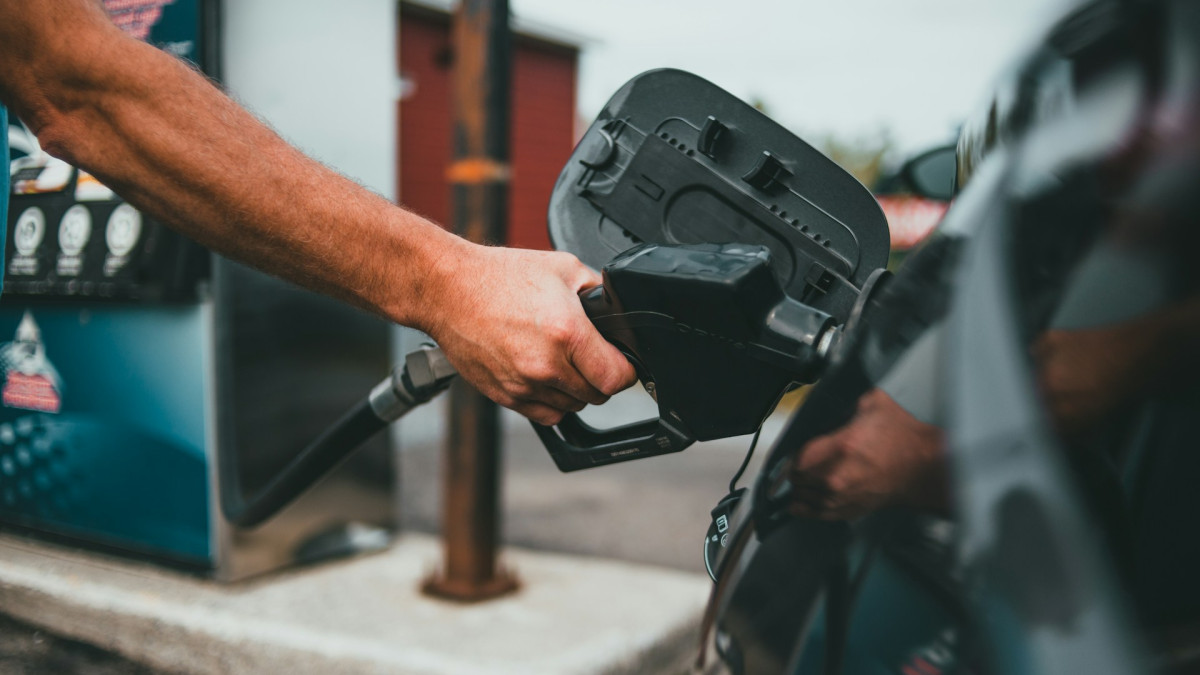
As of Monday, average gasoline prices in the United States officially edged higher than at any point of Joe Biden’s presidential term, according to a Politico analysis of AAA figures. This could pose a major threat to the Trump administration as well as incumbent gubernatorial and congressional candidates, as trust erodes between current leaders and their cash-strapped constituents . The October 14 Consumer Price Index showed that overall, prices for goods and services across the United States have risen 3.7 percent over the last 12 months, exacerbated by massive increases in energy costs.
Gasoline shot up a punishing 34.2 percent and fuel oil (primarily used by consumers in residential heating) has skyrocketed 74.2 percent, driven in large part by oil and gas trade disruptions stemming from the United States and Israel’s war in Iran. “That paints a dreary picture for Americans struggling with high costs, who likely won't feel any relief at the pump in the near future — especially as more potential military action looms [in Iran],” Business Insider reported on Monday. “For everyday Americans, all of these international strains amount to what is, essentially, a pay cut,” the article goes on to say.
“Wage growth remains slow and steady, but, over the past few months, rising prices have outpaced pay increases.” This struggle is not specific to the Trump administration, however. Historically, world leaders have had their political agendas shifted and undermined by oil and gas market forces far outside their control, in an effect European Central Bank official Isabel Schnabel named “fossilflation.” But it’s not just the politicians that need to be worried about energy markets, energy markets also, increasingly, need to fear politicians. As noted by the Atlantic Council in a report on United States energy policy published earlier this week, “political volatility has become an energy cost” as each regime change has thrown out and overhauled the energy progress of its predecessor over the last several federal election cycles.
“Technology-specific incentives amplify that cycle,” notes the Atlantic Council. “They can accelerate deployment, especially for growing industries, but they also tie project economics to the political durability of a particular credit, grant, mandate, or regulatory interpretation.” This means that an abrupt change in priorities every four years causes a major and expensive disruption to federal funding cycles. “The United States therefore needs more than an ‘all of the above’ slogan,” the Council argues.
“It needs a durable and bankable federal framework that rewards energy performance rather than political preference.” This all-of-the-above approach extends to the kinds of energy under development, as a more diverse energy mix is a more secure and resilient energy mix. Plus, diversifying the energy mix won’t just shield the energy industry from whipsaw politics, it will help to shelter constituents and politicians alike from the inevitable impacts of fossilflation. “The inherent volatility of oil and gas prices is a persistent vulnerability in the US economy that can only be solved by limiting exposure to these energy sources,” Tim McDonnell, the climate and energy editor for the nonpartisan news outlet Semafor, wrote in a recent op-ed.
“Domestic drilling has put more of the supply-demand balance under US control, but can’t shield American consumers from global price turmoil.” Nor can it stop consumers from voicing their dismay over that turmoil at the polls. By Haley Zaremba for Oilprice.com More Top Reads From Oilprice.com Japan to Tap $7 Billion from Government Fund to Subsidize Gasoline Prices European Gas Tops 101 Euros for First Time Since 2022 Japan to Overtake China As World’s Top LNG Importer This Year Download The Free Oilprice App Today Back to homepage Haley Zaremba Haley Zaremba is an energy journalist and researcher with more than a decade of professional experience covering global energy systems, land and natural resources, and... More Info Leave a comment EXXON Mobil -0.35 Open 57.81 Trading Vol. 6.96M Previous Vol. 241.7B BUY 57.15 Sell 57.00 "